Chinese Funeral Traditions: Respect, Ritual, and Family Connection

A family gathers quietly around tables covered with photographs, incense, white flowers, and bowls of fruit placed carefully beside a loved one’s portrait. Adult children greet arriving guests while grandchildren move between relatives carrying tea and folded paper offerings. Conversations are soft, but the room feels full. Every gesture carries meaning, even the smallest details.
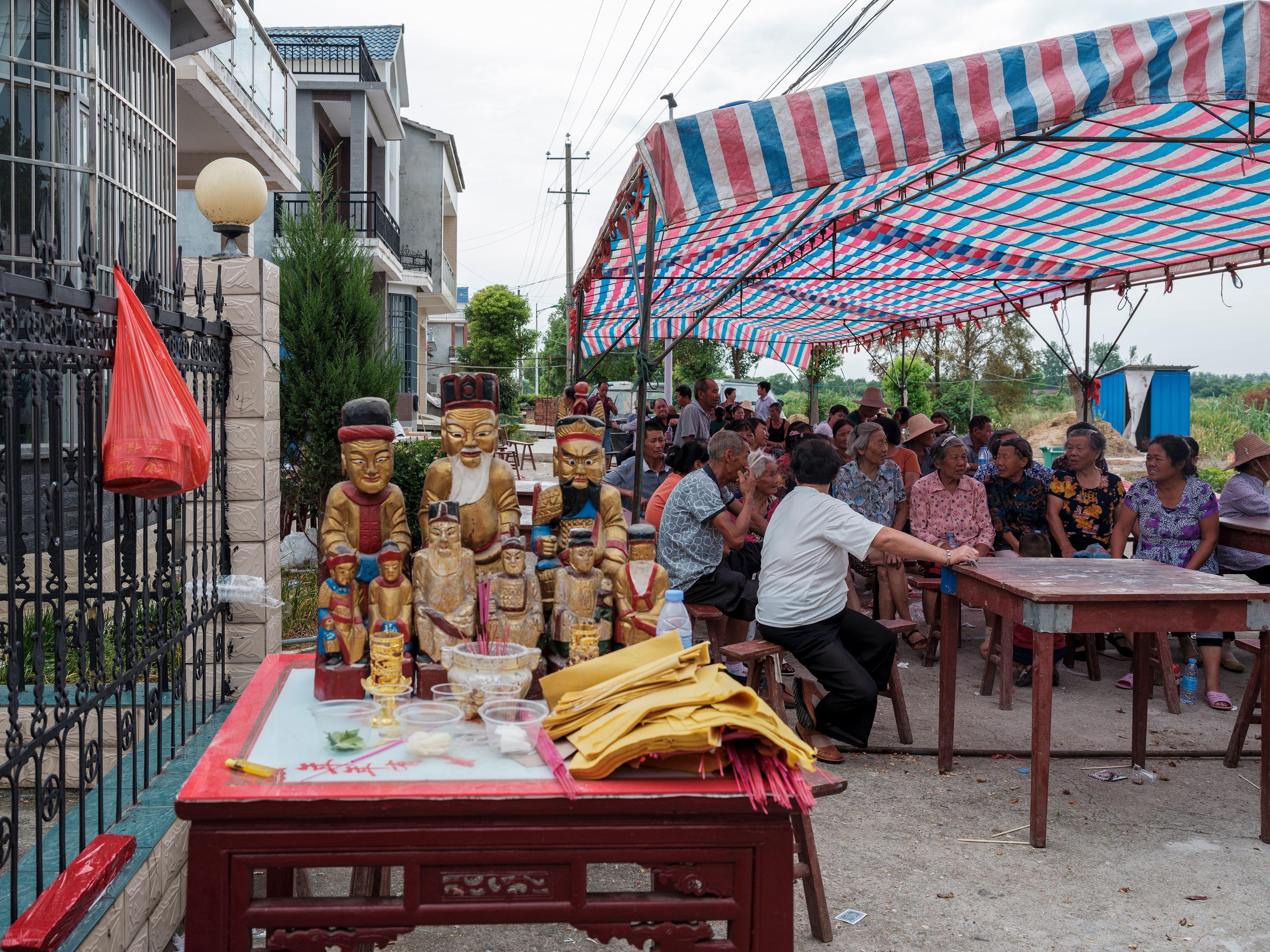
For many Chinese families, funeral traditions are deeply tied to respect, ancestry, and collective remembrance. The rituals surrounding loss are not simply ceremonial. They create structure during grief and reinforce the responsibility families feel toward honoring the people who came before them.
As communities continue to evolve across generations, many funeral homes are finding thoughtful ways to support these traditions while also adapting to the realities of modern family life. The balance between cultural continuity and changing expectations has become an important part of serving families with care and understanding.
Funeral Traditions Rooted in Family and Respect
Chinese funeral customs vary widely depending on region, language, religion, and family background. Traditions may reflect Buddhist, Taoist, Christian, or folk influences, often blending together within the same service. While practices differ, many families share a common emphasis on honoring elders, maintaining family connection, and showing respect through ritual.
The details often matter deeply. White clothing may symbolize mourning, while specific flowers, foods, or offerings carry cultural significance. Incense, prayer rituals, and ceremonial bowing may be incorporated throughout visitation or memorial services. Some families observe extended mourning periods or gather for anniversaries and remembrance festivals long after the funeral itself.
For funeral directors, supporting these traditions often means listening carefully and creating space for families to explain what feels important to them. In many cases, several generations are involved in planning, each bringing different perspectives and expectations into the conversation. A grandparent may want to preserve longstanding customs while younger family members may also hope to incorporate modern elements that feel personal and accessible to relatives living abroad.
What remains consistent is the central role family plays throughout the process. Funeral service becomes not only a reflection of the individual who passed away, but also a reflection of relationships, lineage, and community connection.
Modern Memorialization Is Expanding Cultural Connection
As Chinese families become increasingly global, remembrance has naturally become more digital as well. Relatives may travel from different countries to attend services, while others participate remotely through livestreams, shared memorial pages, or tribute videos circulated among family group chats and social platforms.

These tools are not replacing tradition. More often, they are helping families maintain connection across distance and generations.
A memorial video showing family photographs from different decades can become a bridge between younger relatives and older family history. A livestreamed service allows elderly relatives overseas to witness rituals in real time. A shared tribute page creates a gathering place where condolences, stories, and memories continue long after the service concludes.
In many ways, digital storytelling mirrors values already present within Chinese funeral traditions. Both center memory, continuity, and collective participation. Technology simply creates additional ways for those connections to remain visible and accessible.
That shift has also created new opportunities for funeral homes to strengthen community relationships. Families often remember the funeral professionals who made cultural accommodations feel seamless and respectful, especially during emotionally overwhelming moments. Small details, thoughtful communication, and flexibility often leave a lasting impression because they signal understanding rather than assumption.
The Role of Storytelling in Community Remembrance
One of the most meaningful parts of funeral service is helping families preserve the stories that may otherwise fade with time. This feels especially important in traditions where ancestry, lineage, and generational connection hold such strong cultural value.
A grandson hearing stories about his grandfather’s immigration journey. A daughter watching old footage of family celebrations decades earlier. A room full of relatives laughing softly at photos from weddings, Lunar New Year gatherings, or childhood milestones. These moments often become just as important as the formal rituals themselves.

Storytelling and memorial media can help extend those moments beyond the service itself. Through tribute videos and broadcast memorial partnerships, funeral homes now have additional ways to share remembrance with the wider community in a format that feels personal and familiar.
There is something deeply human about seeing a familiar face honored publicly within a local community space. For families, it can feel comforting to know their loved one’s story reached neighbors, former classmates, coworkers, and friends who may not have otherwise known about the passing. For communities, these memorials become small moments of collective pause and reflection.
That visibility can feel especially meaningful in multicultural communities where traditions are both preserved and evolving. Broadcast memorials, tribute videos, and digital remembrance spaces allow stories to travel across generations and geographic distance while still feeling grounded in local connection.
The role of the funeral home remains central throughout that process. The trust families place in funeral professionals comes from the care, steadiness, and cultural sensitivity they experience firsthand. Chptr’s role is simply to help amplify those moments of remembrance in a way that feels respectful to both tradition and community.
Honoring Tradition While Supporting What Comes Next
Every family approaches remembrance differently, and cultural traditions are never one-size-fits-all. Some families may hold tightly to longstanding rituals while others blend traditional customs with more contemporary forms of memorialization. Both approaches reflect the same underlying desire to honor connection, family, and memory.
Funeral homes supporting Chinese families today are often navigating those layers with remarkable care. The work requires patience, listening, and an understanding that even small details may carry deep emotional significance.
Technology and storytelling cannot replace those relationships. What they can do is help preserve and share the moments families want to carry forward.
Chptr is proud to support funeral homes in creating remembrance experiences that feel personal, culturally thoughtful, and deeply connected to the communities they serve.
{{ include_custom_fonts({"Roboto":["Bold","Medium","Regular"],"Recoleta":["Medium","Regular"]}) }}


